
10 Chic French Interior Design Ideas for Your Home

Are you dreaming of a home that feels both luxurious and inviting, but struggling to find a style that balances sophistication with comfort? Many homeowners face the challenge of creating spaces that reflect their personality while maintaining a cohesive, elegant aesthetic. French interior design offers the perfect solution, blending timeless elegance with livable charm. In this comprehensive guide, we’ll explore the essence of French interior design, share practical tips, and provide inspiring ideas to transform your home into a chic, comfortable sanctuary that stands the test of time.
French interior design is renowned for its ability to combine opulence with approachability. Rooted in centuries of art, architecture, and culture, this style draws from the grandeur of Parisian apartments and the rustic charm of Provençal countryside homes. Whether you’re refreshing a single room or redesigning your entire home, this guide will help you master the art of French interior design with actionable advice and creative inspiration.
What Is French Interior Design?
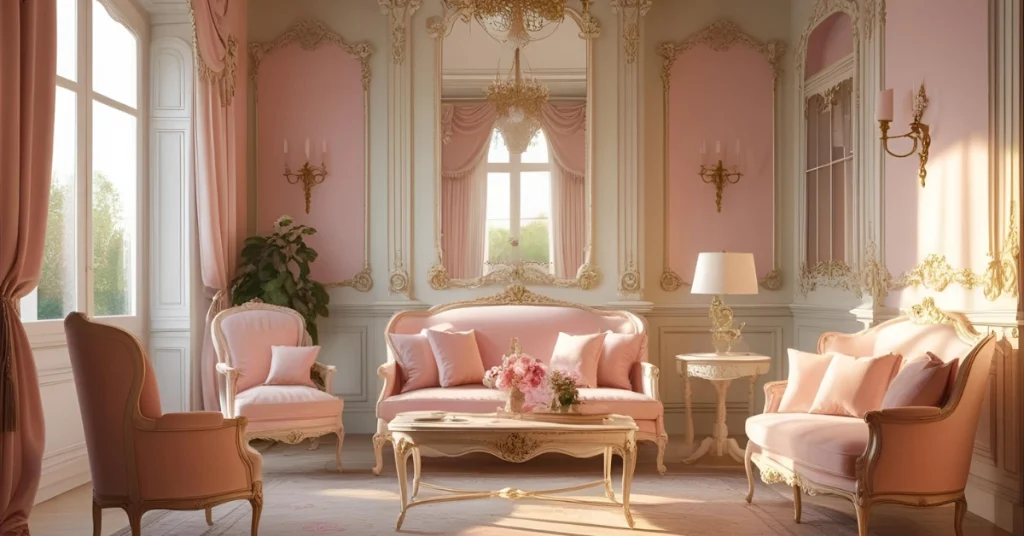
French interior design is a celebration of elegance, history, and effortless charm. It draws inspiration from various periods, including the ornate Baroque and Rococo styles of the 17th and 18th centuries, the refined neoclassicism of the Napoleonic era, and the rustic simplicity of Provence. According to design historian Charlotte Moss, “French design is about creating spaces that feel curated yet lived-in, where every piece tells a story” (Architectural Digest, 2020). This style prioritizes balance, mixing luxurious elements like chandeliers and gilded mirrors with natural textures like linen and wood.
At its core, French interior design emphasizes quality over quantity. It’s about selecting pieces that are both beautiful and functional, creating spaces that feel personal and timeless. Key characteristics include soft color palettes, intricate detailing, and a harmonious blend of old and new elements.
Key Elements of French Interior Design
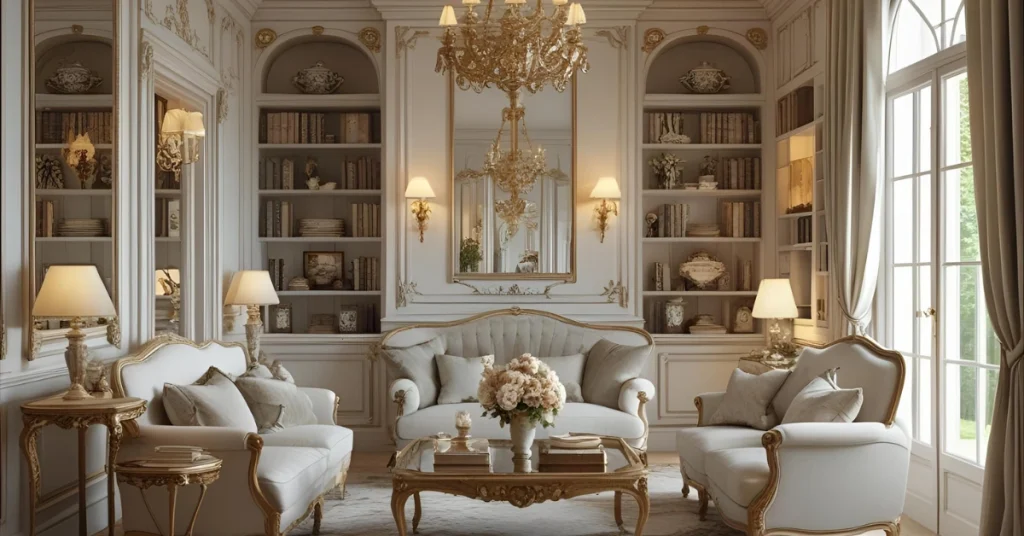
- Symmetry and Balance: French interiors often feature symmetrical layouts, with furniture arranged to create a sense of harmony.
- Neutral and Soft Colors: Think muted pastels, creamy whites, and soft grays, often accented with gold or silver.
- Luxurious Fabrics: Velvet, silk, and linen add texture and sophistication.
- Antique or Vintage Pieces: Heirloom furniture or flea market finds bring character and history.
- Architectural Details: Crown molding, ornate fireplaces, and herringbone floors are hallmarks of French style.
The History Behind French Interior Design
French interior design has evolved over centuries, influenced by the country’s rich cultural and artistic heritage. In the 17th century, the opulent Baroque style, championed by Louis XIV at the Palace of Versailles, introduced lavish details like gilded furniture and intricate tapestries. The 18th century brought the lighter, more playful Rococo style, with its emphasis on curves, pastels, and ornate detailing. By the 19th century, neoclassicism introduced cleaner lines and classical motifs, inspired by ancient Greece and Rome.
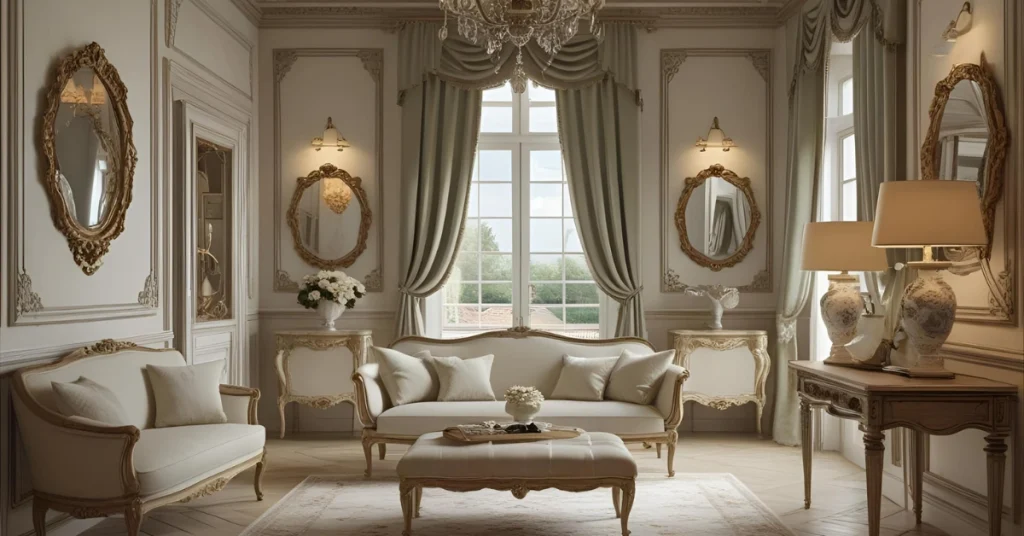
In rural areas, Provençal design emerged, focusing on natural materials like stone, wood, and terracotta, paired with soft, sun-washed colors. According to design expert Kathryn Ireland, “The beauty of French design lies in its ability to adapt, blending grandeur with simplicity to suit any home” (House Beautiful, 2019). Today, modern French interiors combine these historical influences with contemporary touches, creating spaces that feel both timeless and fresh.
Popular Styles of French Interior Design
French interior design isn’t a one-size-fits-all approach. It encompasses several distinct styles, each with its own personality. Here are the most popular variations:
Parisian Chic
Parisian chic is the epitome of urban sophistication. Think high-ceilinged apartments with herringbone floors, floor-to-ceiling windows, and elegant moldings. Key features include:
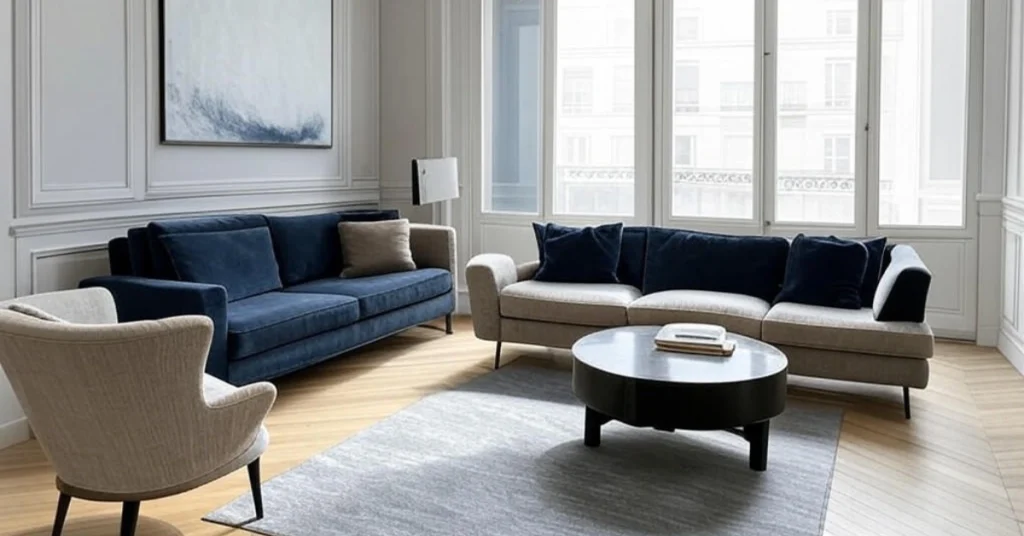
- Neutral color palettes with pops of color like navy or emerald.
- Statement lighting, such as crystal chandeliers or modern pendants.
- A mix of modern and antique furniture, like a sleek sofa paired with a vintage armchair.
Example: In a Parisian-inspired living room, a tufted velvet sofa might sit beneath a gilded mirror, with a modern coffee table adding a contemporary twist.
French Country (Provençal)
French Country, or Provençal, design draws inspiration from the rural landscapes of southern France. It’s warm, rustic, and inviting, with an emphasis on natural materials. Key features include:
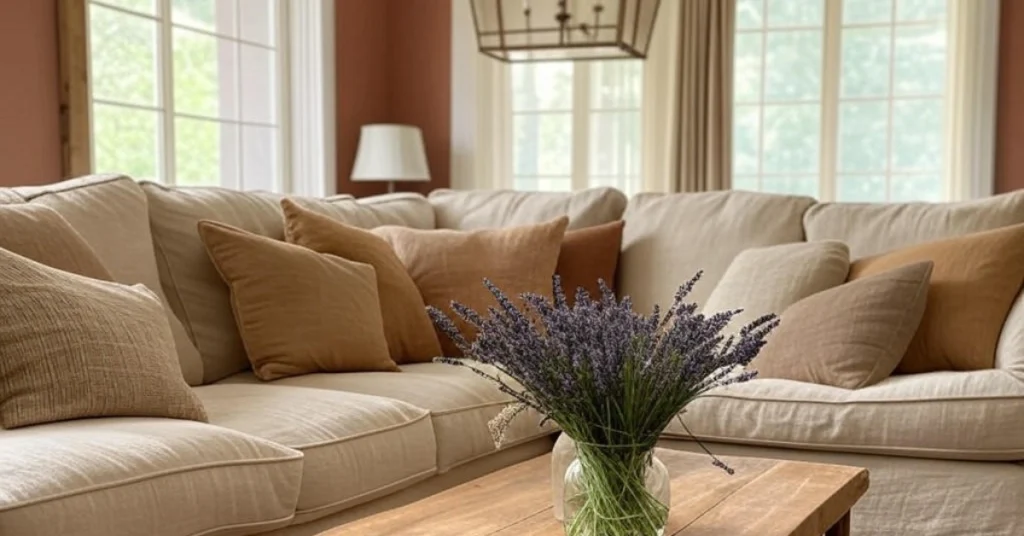
- Earthy tones like terracotta, olive green, and lavender.
- Rustic furniture, often distressed or painted in soft colors.
- Natural textures like linen, cotton, and burlap.
Example: A French Country kitchen might feature a weathered wooden table, terracotta tiles, and open shelves displaying ceramic pottery.
French Eclectic
French Eclectic blends traditional and modern elements for a curated, personalized look. It’s ideal for those who love mixing styles. Key features include:
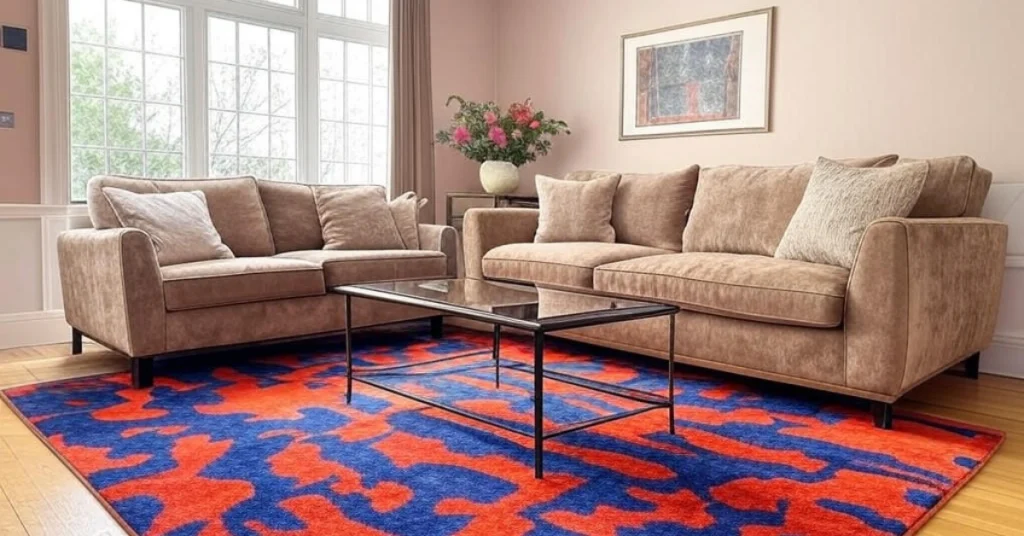
- Bold patterns, like toile or damask, paired with minimalist furniture.
- A mix of textures, such as glass, metal, and wood.
- Unexpected accents, like a colorful rug in a neutral room.
Example: A French Eclectic bedroom might combine a modern platform bed with an antique chandelier and vibrant throw pillows.
How to Incorporate French Interior Design in Your Home
Ready to bring French interior design into your space? Below are 10 practical tips to help you create a chic, timeless home, complete with examples and actionable advice.
1. Start with a Neutral Color Palette
French interiors rely on soft, neutral colors to create a calming backdrop. Opt for shades like ivory, taupe, soft gray, or pale blue. These tones make rooms feel airy and versatile, allowing furniture and decor to stand out.
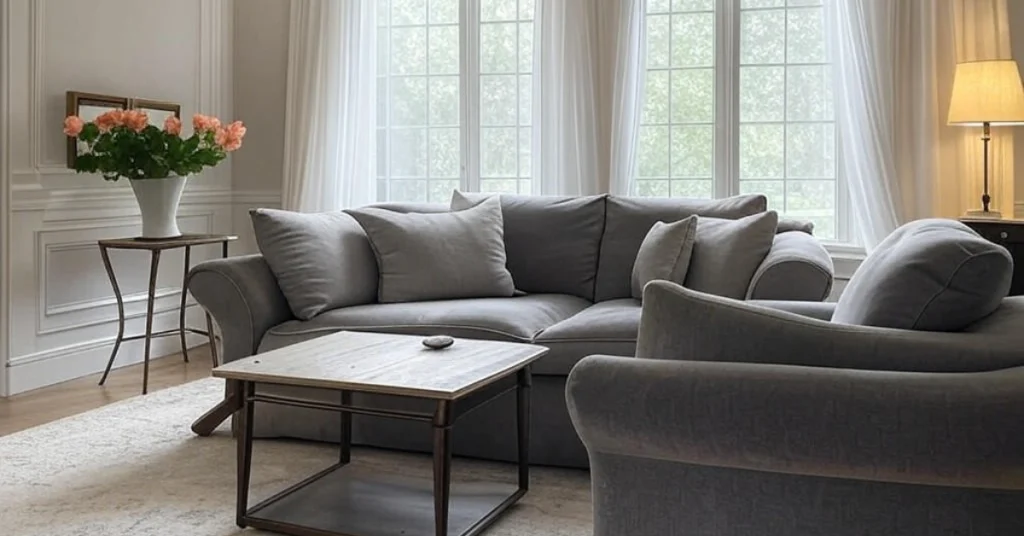
Tip: Paint walls in a warm white, like Benjamin Moore’s “Simply White,” and add accents in muted pastels or metallics. For example, a soft gray living room with blush pink throw pillows creates a serene yet elegant vibe.
2. Invest in Statement Lighting
Lighting is a cornerstone of French interior design. Crystal chandeliers, wrought iron sconces, or modern pendants add drama and sophistication. According to designer Jean-Louis Deniot, “A chandelier is like jewelry for a room it elevates everything” (Vogue, 2021).
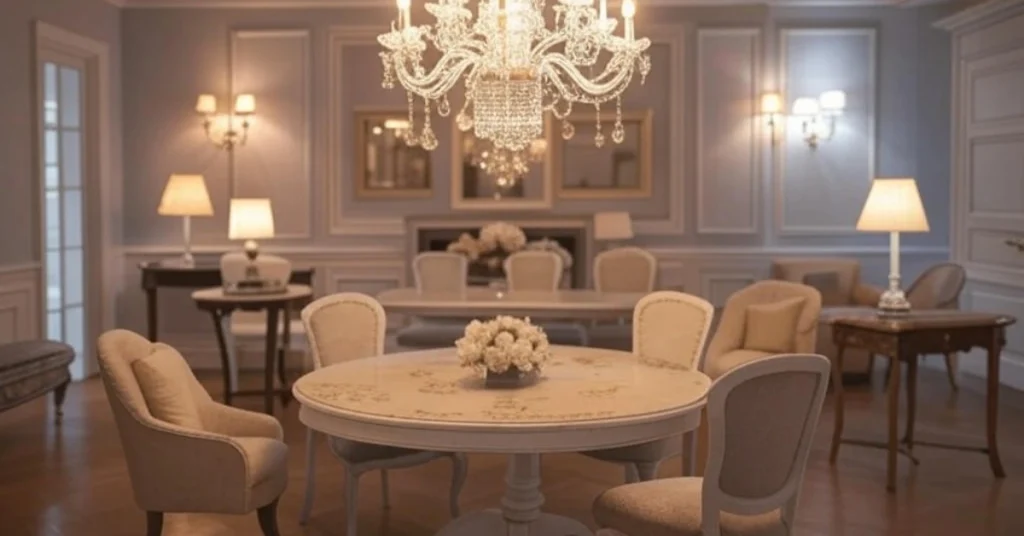
Tip: Choose a statement chandelier for your dining room or entryway. Pair it with simpler table lamps to balance the look. For a budget-friendly option, search for vintage-inspired fixtures at flea markets.
3. Mix Old and New Elements
French interiors thrive on the juxtaposition of old and new. Pair an antique armoire with a modern sofa, or place a sleek coffee table in front of a vintage fireplace. This mix creates a curated, lived-in feel.
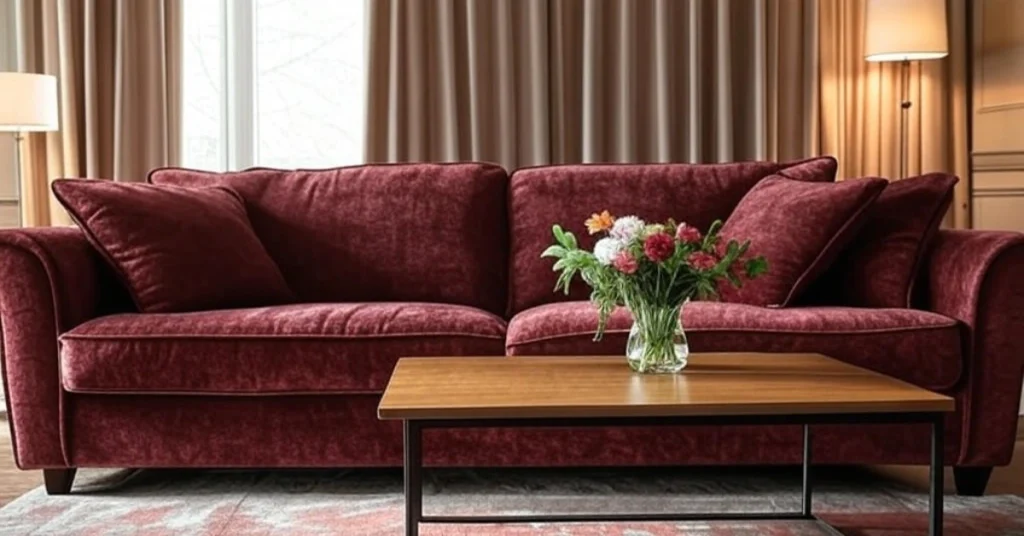
Example: In my own home, I paired a mid-century modern chair with a distressed wooden console table. The contrast added depth and personality to the space.
4. Embrace Luxurious Fabrics
Fabrics like velvet, silk, and linen add texture and warmth to French interiors. Use them for upholstery, curtains, or throw pillows to create a cozy yet refined atmosphere.
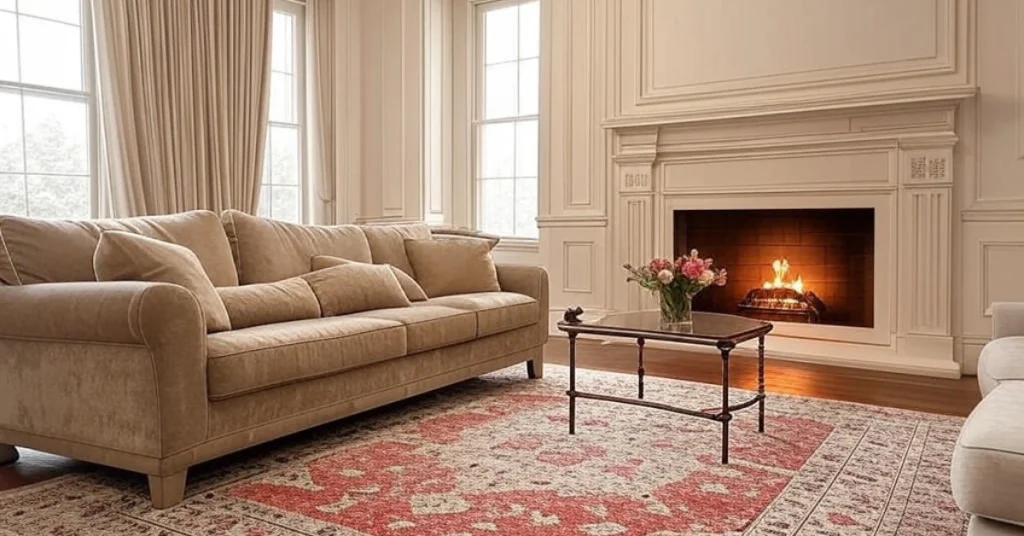
Tip: Drape a velvet throw over a neutral sofa or hang linen curtains in a soft beige. These small additions make a big impact without overwhelming the space.
5. Add Architectural Details
French interiors often feature architectural elements like crown molding, wainscoting, or exposed beams. If your home lacks these, you can mimic them with paint or temporary solutions.
Tip: Install peel-and-stick molding for a budget-friendly way to add French charm. Alternatively, paint a faux wainscoting effect using a contrasting color.
6. Incorporate Antique or Vintage Pieces
Antiques add character and history to French interiors. Look for pieces like a carved wooden chair, a gilded mirror, or a vintage rug at flea markets or online marketplaces.
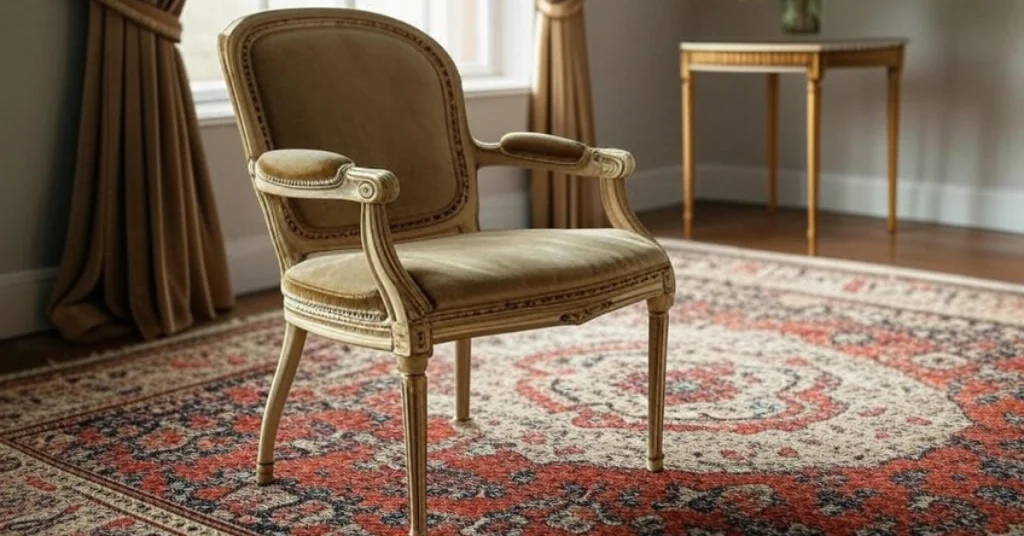
Tip: Visit local antique shops or websites like Chairish for unique finds. A single antique piece, like a Louis XVI-style chair, can anchor a room.
7. Use Mirrors to Enhance Space
Mirrors are a staple in French interior design, reflecting light and making rooms feel larger. Opt for ornate, gilded frames for a classic look or sleek, modern designs for a contemporary twist.
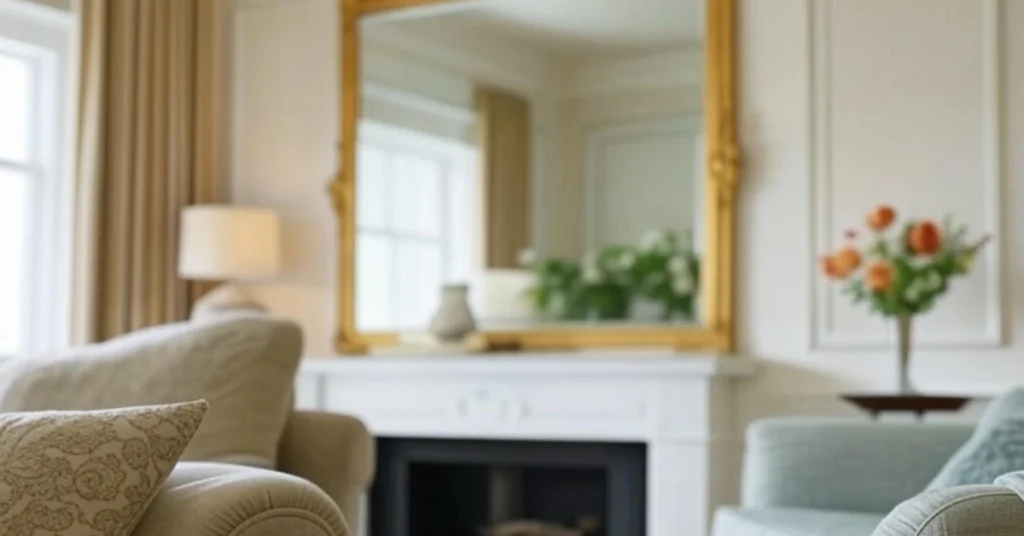
Example: In a small Parisian apartment I visited, a large, gilded mirror above the fireplace made the room feel twice as spacious and added a touch of glamour.
8. Focus on Symmetry
Symmetry creates balance and harmony, a key principle of French design. Arrange furniture in pairs, like two armchairs flanking a coffee table or matching lamps on a console.
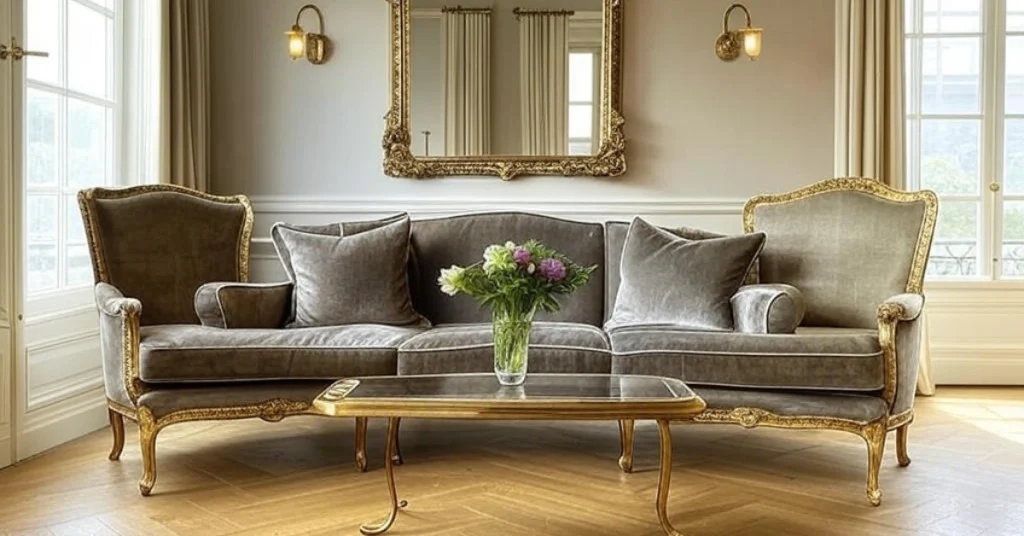
Tip: In a bedroom, place identical nightstands and lamps on either side of the bed for a polished, symmetrical look.
9. Add Natural Elements
French Country interiors, in particular, emphasize natural materials like wood, stone, and terracotta. Incorporate these through furniture, flooring, or decor like ceramic vases.
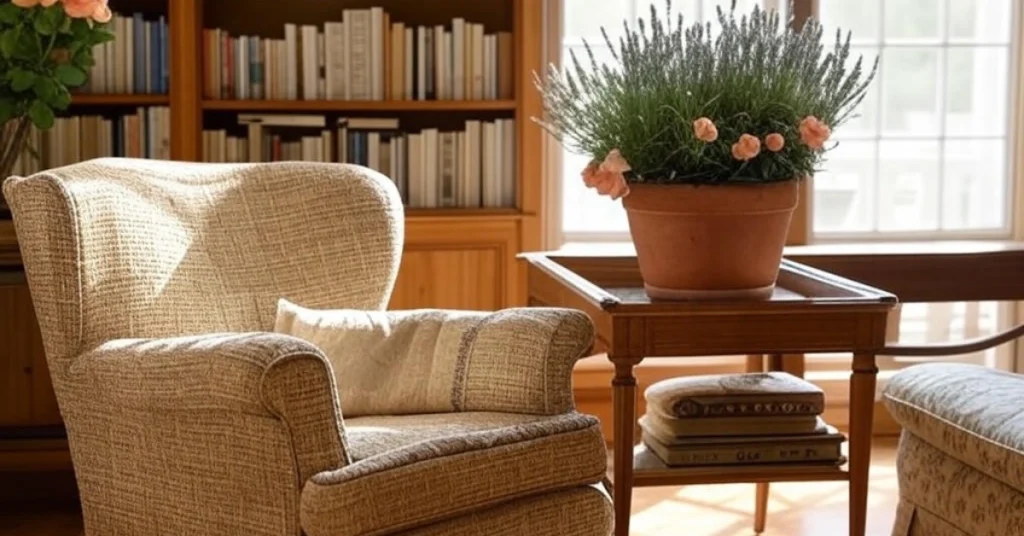
Tip: Place a woven basket or a terracotta planter in your living room to bring in rustic charm. Fresh flowers, like lavender or roses, also enhance the French aesthetic.
10. Personalize with Art and Accessories
French interiors feel personal and curated, thanks to carefully chosen art and accessories. Hang classic paintings, modern prints, or family photos in ornate frames, and display unique objects like vintage books or ceramic figurines.
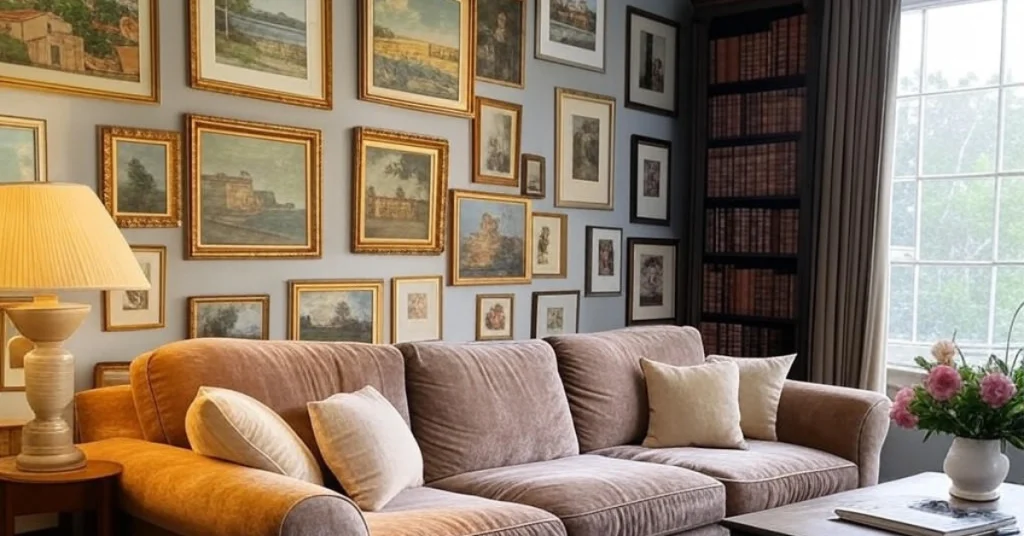
Tip: Create a gallery wall with a mix of art styles and frame types. For example, combine a black-and-white photograph with a colorful abstract painting for an eclectic look.
Color Palettes for French Interior Design
Choosing the right colors is essential for capturing the essence of French interior design. Below is a table of popular color palettes and their applications:
| Style | Primary Colors | Accent Colors | Best Used In |
|---|---|---|---|
| Parisian Chic | White, Gray, Beige | Navy, Emerald, Gold | Living Rooms, Bedrooms |
| French Country | Cream, Terracotta, Sage Green | Lavender, Ochre, Blue | Kitchens, Dining Rooms |
| French Eclectic | Neutral Tones (Gray, Ivory) | Bold Hues (Red, Teal) | Any Room for a Modern Twist |
Tip: Test paint samples on your walls to see how they look in different lighting. Natural light, common in French homes, can dramatically affect color perception.
Common Mistakes to Avoid in French Interior Design
While French interior design is versatile, there are pitfalls to avoid:
- Overloading with Ornate Pieces: Too many gilded or antique items can make a space feel cluttered. Balance them with simpler elements.
- Ignoring Scale: Oversized furniture in a small room can disrupt the airy feel of French design. Measure your space carefully.
- Using Harsh Colors: Bright, neon colors clash with the soft, muted tones of French interiors. Stick to a cohesive palette.
- Neglecting Texture: Flat, one-dimensional rooms lack the warmth of French design. Layer fabrics and materials for depth.
French Interior Design on a Budget
You don’t need a lavish budget to achieve French interior design. Here are budget-friendly tips:
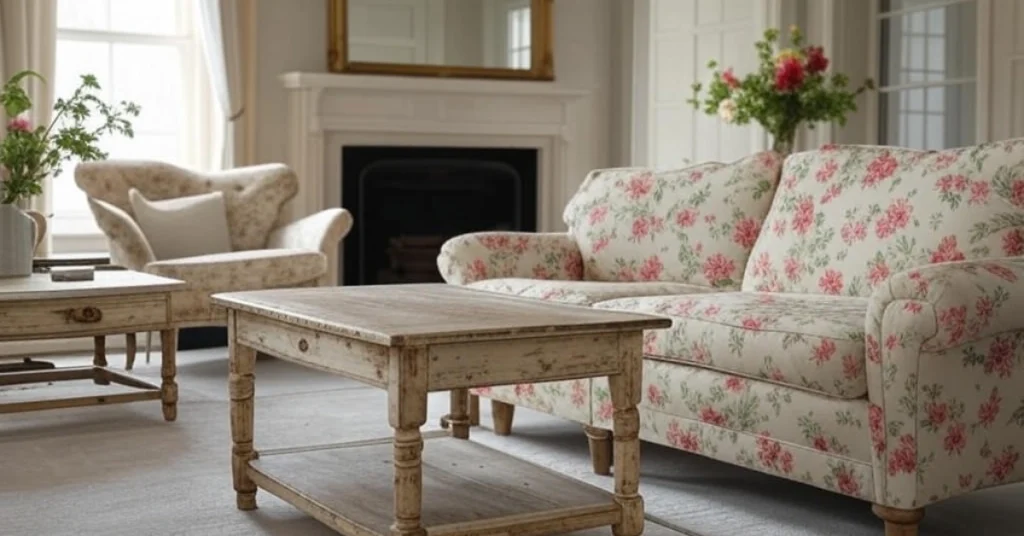
- Shop Secondhand: Visit thrift stores or online marketplaces for antique furniture or decor.
- DIY Details: Paint furniture in soft colors or distress it for a French Country look.
- Focus on Small Accents: A single gilded mirror or a set of linen curtains can transform a room without breaking the bank.
- Repurpose Items: Turn an old ladder into a rustic shelf or use mason jars as vases for a Provençal touch.
Example: In a friend’s apartment, we transformed a plain IKEA dresser by painting it a soft gray and adding vintage brass handles. The result was a chic, French-inspired piece for under $50.
Real-World Inspiration: A French-Inspired Living Room
To illustrate how French interior design comes together, consider this example of a living room makeover:
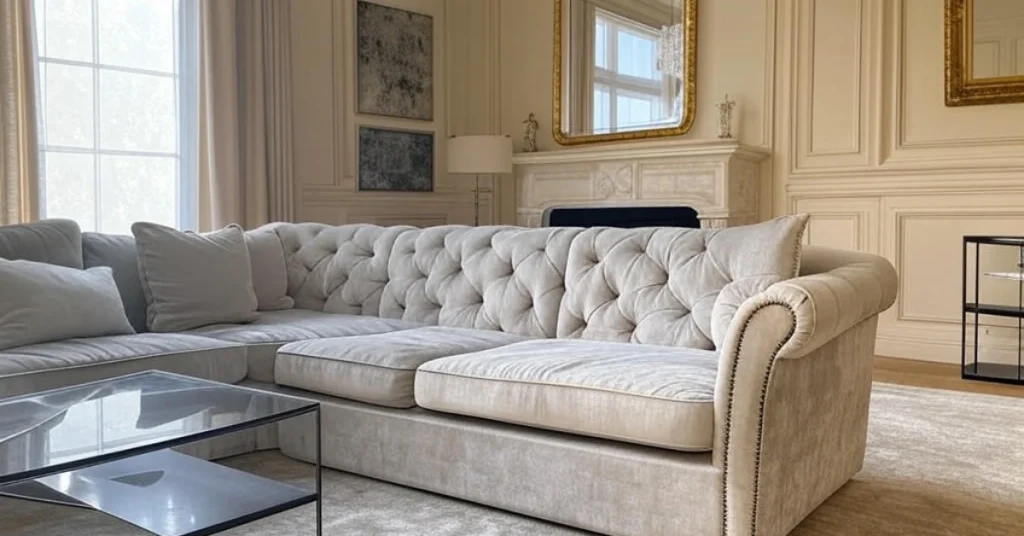
- Walls: Painted in a warm ivory, with a faux wainscoting effect in soft gray.
- Furniture: A tufted velvet sofa paired with two antique armchairs and a modern glass coffee table.
- Lighting: A crystal chandelier as the focal point, complemented by simple table lamps.
- Decor: A large gilded mirror above the fireplace, a gallery wall of mixed art, and fresh flowers in a ceramic vase.
- Textiles: Linen curtains in beige and a patterned rug in muted blues.
This setup creates a balanced, elegant space that feels both luxurious and welcoming, embodying the essence of French interior design.
Conclusion: Create Your Dream French-Inspired Home
French interior design offers a timeless way to infuse your home with elegance, warmth, and personality. By blending neutral colors, luxurious textures, and a mix of old and new elements, you can create spaces that feel both sophisticated and livable. Whether you’re drawn to the urban chic of Parisian apartments or the rustic charm of Provençal cottages, this style adapts to any space and budget. Start small with a single room, incorporate the tips above, and watch your home transform into a French-inspired masterpiece.
Ready to bring French interior design into your home? Start by choosing one tip from this guide whether it’s adding a gilded mirror or painting your walls a soft neutral and share your progress in the comments below. For more inspiration, explore our blog for additional design ideas or consult a local interior designer to bring your vision to life!


