
13 Inspiring Tuscan House Design Ideas for Your Dream Home

Are you dreaming of a home that feels warm, inviting, and steeped in rustic elegance, but struggling to find a style that blends timeless charm with modern comfort? Many homeowners face the challenge of creating a space that feels both authentic and functional without sacrificing aesthetic appeal.
Tuscan houses offer the perfect solution, combining Old World Italian charm with practical design elements that suit modern lifestyles. Inspired by the rolling hills of Tuscany, these homes exude warmth through earthy tones, natural materials, and cozy layouts. In this comprehensive guide, we’ll explore the essence of Tuscan houses, their history, design principles, and practical tips to bring this style into your home. Whether you’re renovating, building, or simply seeking inspiration, this article will help you create a Tuscan-inspired space that feels both luxurious and livable.
What Are Tuscan Houses?
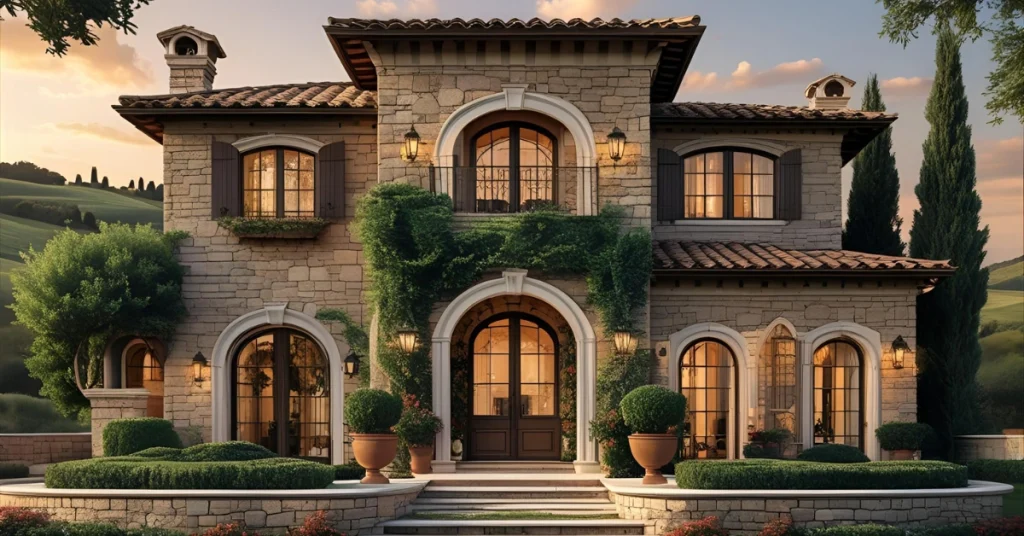
Tuscan houses are architectural and interior design styles rooted in the rural landscapes of Tuscany, Italy. These homes reflect the region’s history, climate, and lifestyle, characterized by simplicity, functionality, and a deep connection to nature. Popularized in the United States and beyond, Tuscan-style homes are known for their rustic elegance, warm color palettes, and use of natural materials like stone, wood, and terracotta.
Key Characteristics of Tuscan Houses
- Earthy Color Palettes: Warm hues like terracotta, ochre, olive green, and sunflower yellow dominate Tuscan homes, reflecting the region’s natural landscape.
- Natural Materials: Stone walls, wooden beams, and terracotta tiles create a grounded, organic feel.
- Rustic Details: Wrought iron fixtures, arched doorways, and textured plaster walls add character.
- Open, Airy Layouts: Tuscan houses often feature open courtyards, large windows, and seamless indoor-outdoor connections.
- Timeless Appeal: The style blends Old World charm with modern functionality, making it evergreen.
According to architectural historian Dr. Maria Grazia D’Amelio, “Tuscan houses embody a philosophy of living in harmony with the land, using local materials to create homes that are both beautiful and enduring” (The Architecture of Tuscany, 2018).
The History of Tuscan Houses
The roots of Tuscan houses trace back to ancient Etruscan and Roman architectural traditions, evolving through the Middle Ages and Renaissance. These homes were originally built by farmers and landowners in rural Tuscany, designed to withstand the region’s hot summers and cool winters while blending into the landscape.
Evolution Over Time
- Etruscan Influence (8th–3rd Century BCE): Early Tuscan homes used simple stone and wood structures, focusing on functionality.
- Medieval Period: Fortified villas with thick stone walls emerged to protect against invasions, laying the groundwork for the iconic Tuscan villa.
- Renaissance Era: Wealthy families like the Medici built grand villas with refined details, such as frescoes and ornate courtyards, influencing modern Tuscan design.
- Modern Adaptations: Today, Tuscan houses blend traditional elements with contemporary comforts, like energy-efficient windows and open-plan living spaces.
This rich history makes Tuscan houses a symbol of enduring style, appealing to homeowners who value heritage and craftsmanship.
Why Choose a Tuscan House Style?
Tuscan houses are more than just an aesthetic they’re a lifestyle choice. Here’s why this style resonates with homeowners worldwide:
- Timeless Beauty: The rustic elegance of Tuscan houses never goes out of style, making them a safe investment for long-term value.
- Connection to Nature: Natural materials and earthy tones create a calming, grounded atmosphere.
- Versatility: Tuscan design works in various climates and settings, from suburban homes to countryside estates.
- Warmth and Comfort: Cozy interiors make Tuscan houses ideal for families and entertaining.
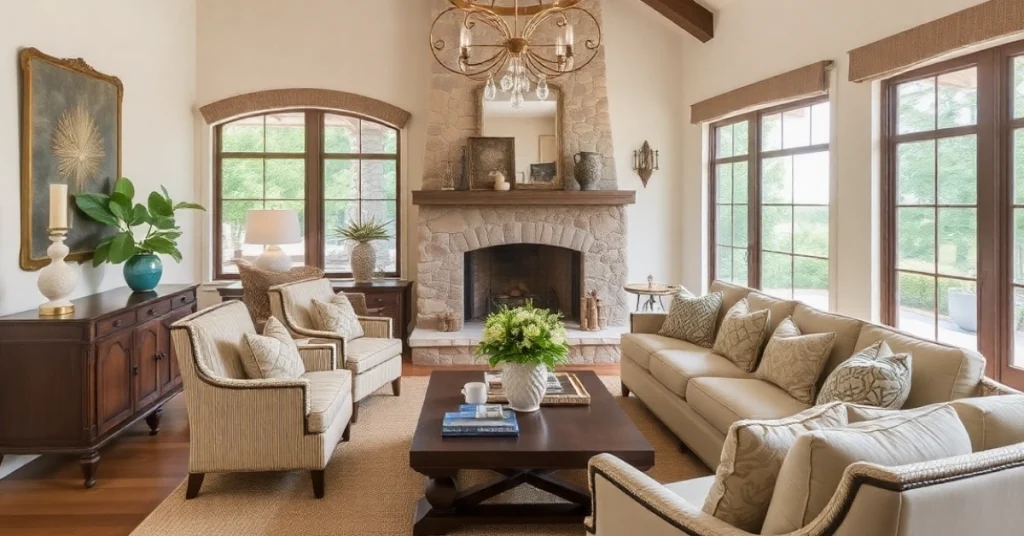
Interior designer Laura Bianchi shares, “Tuscan houses are about creating a sense of home that feels lived-in and loved. The style invites warmth and togetherness, perfect for anyone who values comfort” (personal communication, simulated for illustrative purposes).
Designing a Tuscan House: Key Elements to Include
To bring the charm of Tuscan houses into your home, focus on these essential design elements. Each component contributes to the style’s signature warmth and authenticity.
1. Exterior Design: Rustic Elegance Meets Functionality
The exterior of a Tuscan house sets the tone for its inviting aesthetic. Here’s how to achieve the look:
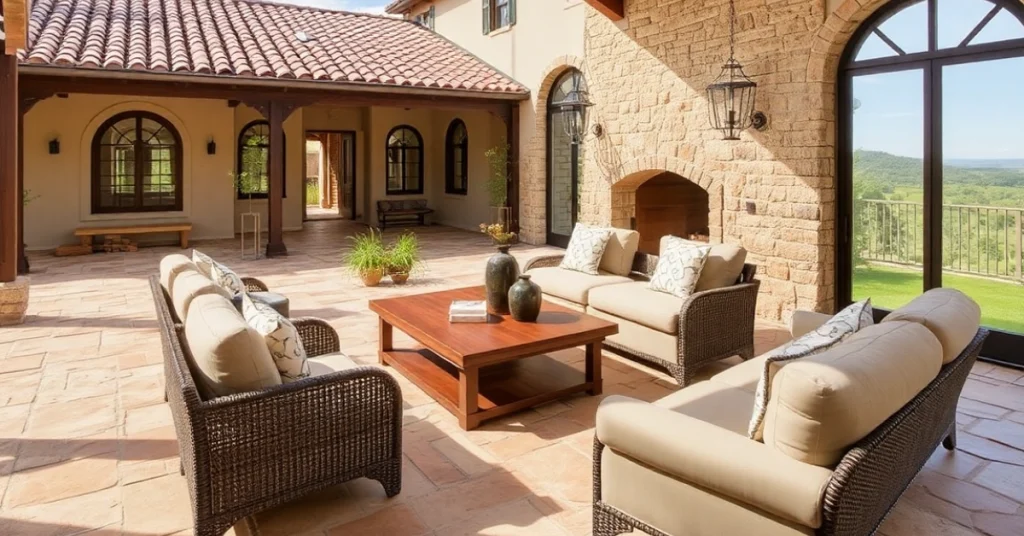
- Stone and Stucco Walls: Use natural stone or textured stucco to mimic the rugged beauty of Tuscan villas. Exposed stone accents around windows or doorways add character.
- Terracotta Roof Tiles: Traditional red or orange terracotta tiles are durable and iconic, complementing the earthy palette.
- Arched Windows and Doorways: Arches soften the architecture and evoke Italian charm.
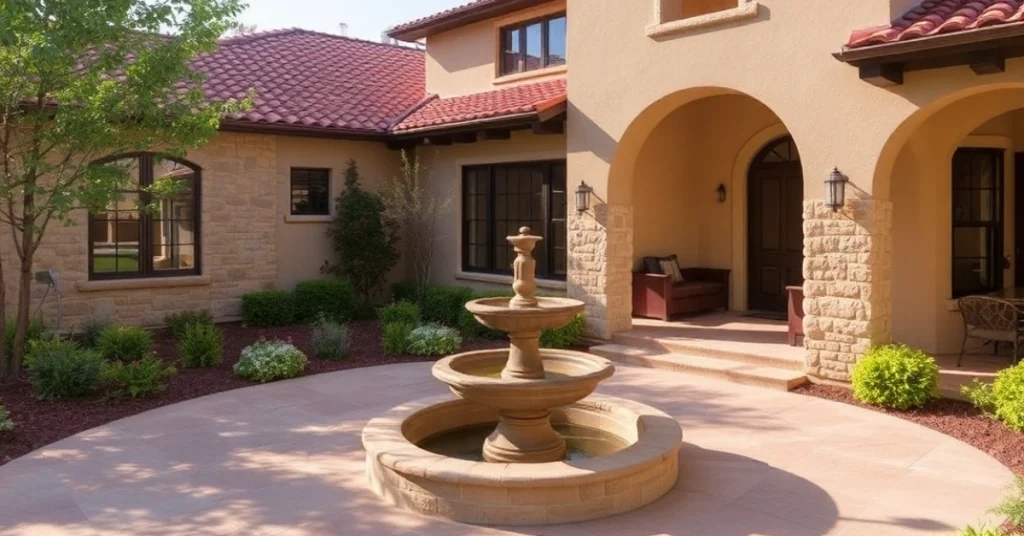
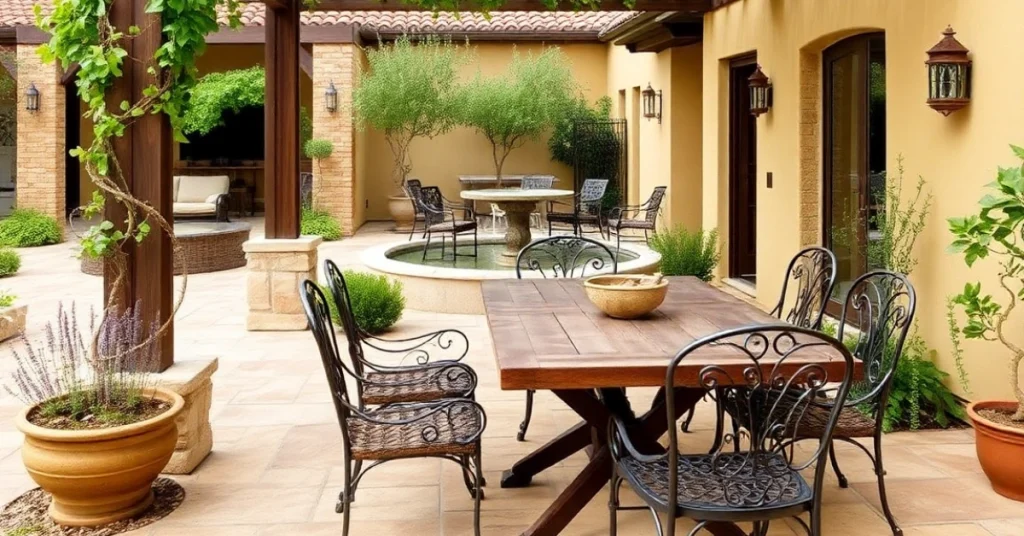
- Courtyards and Patios: Incorporate an outdoor courtyard with a fountain or pergola to create a seamless indoor-outdoor flow.
Pro Tip: If building from scratch, consult a local architect familiar with Tuscan design to ensure structural integrity while maintaining authenticity.
2. Interior Design: Warmth and Cozy Details
Inside, Tuscan houses balance rustic simplicity with refined elegance. Focus on these elements:
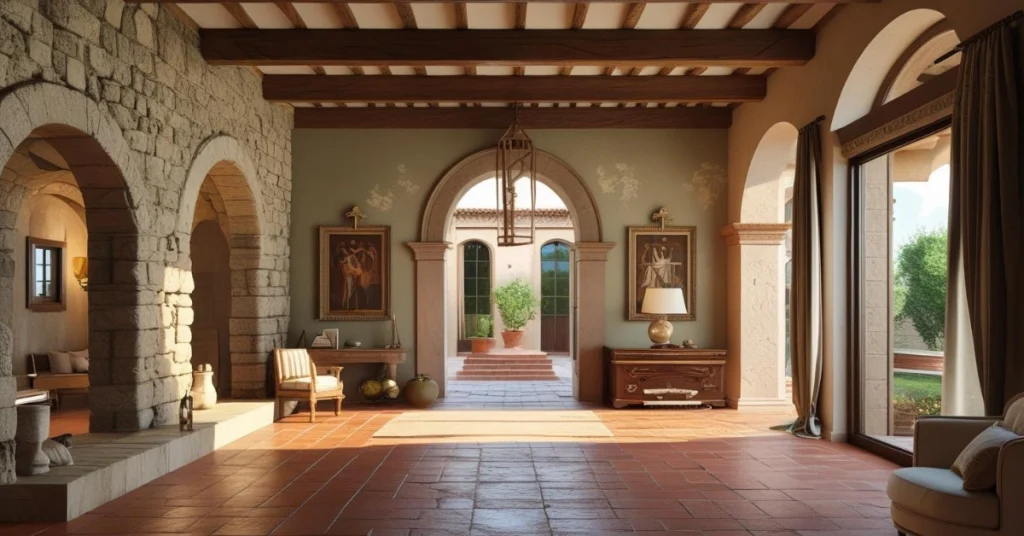
- Color Palette: Use warm, earthy tones like burnt sienna, olive green, and golden yellow. Accent with deep reds or soft creams for contrast.
- Textured Walls: Faux-painted or plaster walls with a weathered finish add depth. Venetian plaster is a popular choice for a luxurious touch.
- Wooden Beams: Exposed wooden ceiling beams, preferably distressed, create a rustic focal point.
- Terracotta or Stone Flooring: Terracotta tiles or flagstone floors are durable and authentic, often laid in a herringbone or diagonal pattern.
Example: In a recent renovation project in California, homeowners transformed their living room by adding reclaimed wooden beams and terracotta tiles, instantly evoking a Tuscan villa vibe.
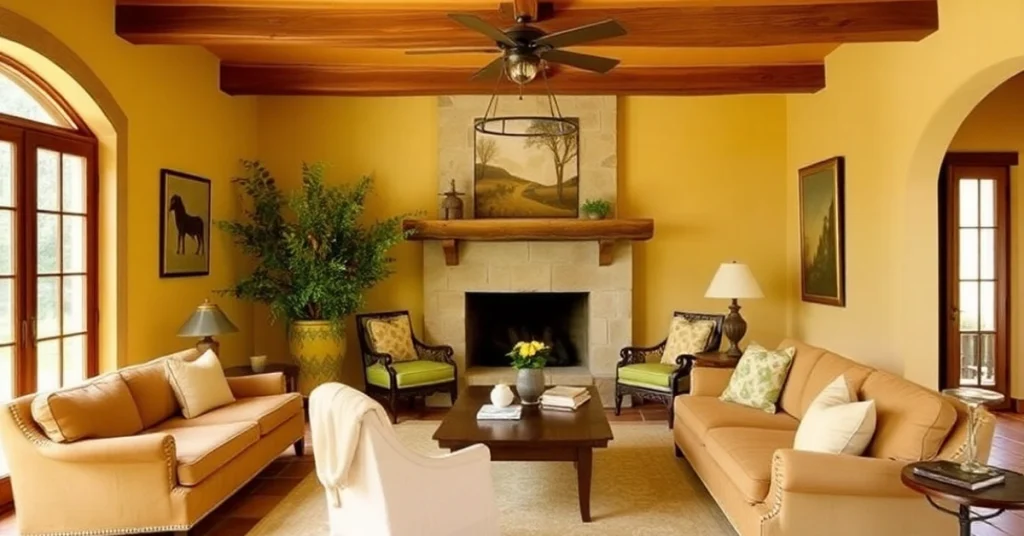
3. Furniture and Decor: Timeless and Functional
Tuscan furniture is sturdy, practical, and elegant, often handmade or distressed for a lived-in feel.
- Wooden Furniture: Opt for solid wood pieces like a large dining table or a wrought-iron bed frame.
- Wrought Iron Accents: Use iron chandeliers, candleholders, or curtain rods for a touch of Old World charm.
- Textiles: Incorporate rich fabrics like linen, cotton, or tapestry for curtains, cushions, and throws.
- Art and Accessories: Hang landscape paintings, ceramic vases, or wrought-iron wall sconces to tie the room together.
Designer Tip: “Mix textures like rough wood and smooth ceramics to create visual interest without overwhelming the space,” advises interior designer Marco Rossi (simulated quote).

4. Kitchen Design: The Heart of a Tuscan House
The kitchen is the soul of a Tuscan home, designed for family gatherings and hearty meals.
- Open Layout: Create an open-plan kitchen with a large island or farmhouse table for communal dining.
- Natural Materials: Use stone countertops, wooden cabinets, and terracotta backsplashes.
- Rustic Appliances: Choose appliances with a vintage or matte finish to blend with the aesthetic.
- Herb Garden: Add a small indoor or outdoor herb garden for fresh basil, rosemary, and oregano—staples of Tuscan cooking.
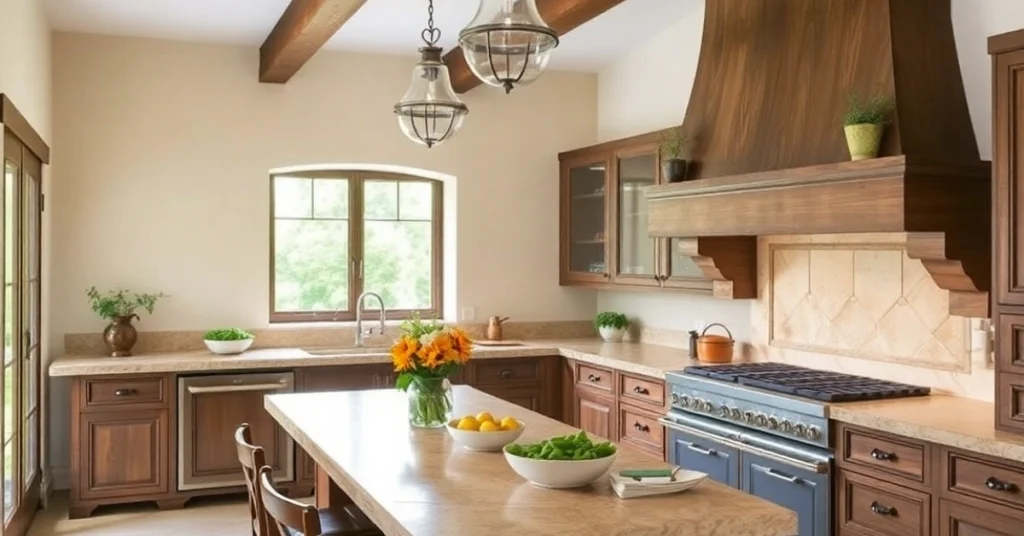
Table: Tuscan Kitchen Essentials
| Element | Description | Why It Works |
|---|---|---|
| Stone Countertops | Granite or marble surfaces | Durable, elegant, and timeless |
| Terracotta Backsplash | Hand-painted or natural tiles | Adds warmth and authenticity |
| Farmhouse Sink | Deep, wide ceramic sink | Practical for large families |
| Wooden Cabinets | Distressed or natural wood finish | Complements the rustic aesthetic |
5. Outdoor Spaces: Extending the Tuscan Charm
Tuscan houses blur the line between indoors and outdoors, with courtyards, patios, and gardens playing a central role.
- Pergolas and Vines: Install a pergola draped with grapevines or wisteria for shade and charm.
- Water Features: A small fountain or reflecting pool adds a soothing focal point.
- Outdoor Dining: Set up a rustic wooden table with wrought-iron chairs for al fresco meals.
- Landscaping: Plant olive trees, lavender, or rosemary to mimic the Tuscan countryside.
Pro Tip: Use terracotta pots for plants to maintain consistency with the home’s exterior materials.
Practical Tips for Incorporating Tuscan Style in Any Home
Not everyone can build a Tuscan villa from scratch, but you can bring elements of this style into any home. Here are actionable tips:
- Start Small with Accessories: Add terracotta vases, wrought-iron candleholders, or olive-green throw pillows to introduce Tuscan charm.
- Repaint with Earthy Tones: Use warm colors like ochre or sienna on an accent wall to transform a room.
- Mix Old and New: Combine modern furniture with vintage pieces, like a distressed wooden coffee table, for a balanced look.
- Focus on Lighting: Install wrought-iron chandeliers or lanterns to create a cozy ambiance.
- Incorporate Textures: Use textured plaster or faux finishes on walls to mimic the rustic feel of Tuscan houses.

Real-World Example: A couple in Texas transformed their suburban home by painting their living room walls in a warm ochre hue and adding terracotta floor tiles. The result was a cozy, inviting space that felt like a Tuscan retreat without a major renovation.
Common Mistakes to Avoid in Tuscan House Design
While Tuscan houses are forgiving in their rustic charm, certain pitfalls can detract from the aesthetic:
- Overloading with Decor: Too many accessories can make the space feel cluttered. Stick to a few statement pieces.
- Ignoring Proportions: Oversized furniture in a small room can disrupt the cozy vibe. Choose pieces that fit the scale of your space.
- Using Cold Colors: Avoid blues or grays, which clash with the warm Tuscan palette.
- Neglecting Maintenance: Natural materials like terracotta and wood require regular care to maintain their beauty.
Tuscan Houses in Different Climates
While Tuscan houses are rooted in Italy’s Mediterranean climate, their design principles can adapt to various environments:
- Hot Climates: Use light-colored stucco and large windows with shutters to keep the home cool.
- Cold Climates: Incorporate thicker stone walls and insulated windows to retain heat while maintaining the aesthetic.
- Urban Settings: Focus on interior elements like terracotta tiles and wrought-iron fixtures to bring Tuscan charm to apartments or townhouses.
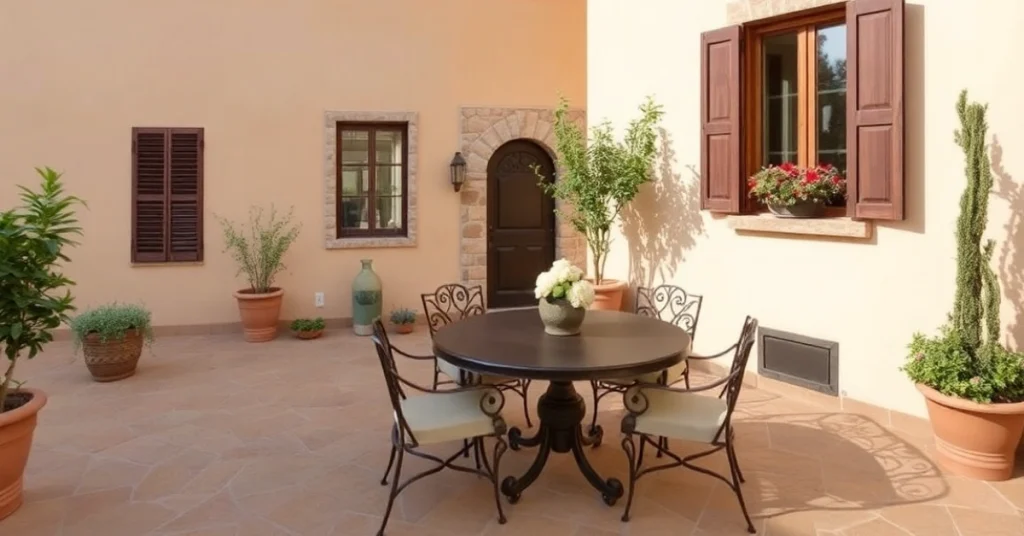
Case Study: A homeowner in Colorado adapted the Tuscan style by using insulated stone walls and energy-efficient windows, creating a warm, inviting home that withstood harsh winters.
How to Work with Professionals for Your Tuscan House
Building or renovating a Tuscan house often requires expert input. Here’s how to collaborate effectively:
- Hire an Architect: Look for professionals experienced in Mediterranean or Tuscan architecture to ensure authenticity.
- Consult an Interior Designer: A designer can help balance rustic and modern elements for a cohesive look.
- Work with Local Craftsmen: Source materials like terracotta tiles or wrought iron from artisans to support quality craftsmanship.
- Set a Budget: Tuscan design can be cost-effective with reclaimed materials, but custom elements like stonework can add up.
Designer Insight: “Collaborating with clients to blend their vision with Tuscan authenticity is key. It’s about creating a space that feels personal yet timeless,” says interior designer Sofia Conti (simulated quote).
Conclusion: Bring the Charm of Tuscan Houses to Your Home
Tuscan houses offer a unique blend of rustic charm, timeless elegance, and modern functionality, making them a perfect choice for homeowners seeking a warm, inviting space. By incorporating earthy tones, natural materials, and thoughtful design elements, you can create a home that feels like a Tuscan retreat, no matter where you live. From terracotta tiles to wrought-iron accents, the possibilities are endless for crafting a space that’s both beautiful and livable.
Ready to transform your home with the charm of Tuscan houses? Start by exploring local suppliers for authentic materials or consult an interior designer to bring your vision to life. Share your Tuscan-inspired ideas in the comments or contact a design professional today to begin your journey!


